Unshackled
Mar 2023 — Dec 2023
Turning a founder's side newsletter into the room people wanted to be in
Unshackled's newsletter had 3,000 subscribers who opened it at 70 to 80 percent, and almost no way for anyone new to find it.

AT A GLANCE
CLIENT

Unshackled
TIMEFRAME
Mar 2023 — Dec 2023
DISCIPLINES
Content
Growth
Strategy
In this case
Unshackled had a loyal 3,000 readers and no repeatable reason for anyone to forward it. Every issue was written from scratch, published whenever it was ready, and covered whatever had happened that week.
Two of the goals didn't sit comfortably next to each other.
Grow the list. Keep open rates between 70 and 80 percent.
You can usually have one of those. The normal way to quadruple a newsletter is to buy attention, and paid subscribers open less. Every thousand people you add to a 3,000-person list drags the average down, so the growth target and the engagement target were quietly pulling in opposite directions the whole time.
That's the part I found interesting, and it decided nearly everything else. Growth had to be organic, because organic was the only kind that arrived already interested.

The word in the brief was "maintain"
Not improve. Maintain.
A newsletter running at 70 to 80 percent before anyone has done anything to it is not a content problem wearing a growth costume. It is a very good newsletter that not enough people know about. Soundarya had already written a book on this, and the readers who had found the newsletter were behaving accordingly.
So my job was never to fix the product. It was to stop being the reason it stayed at 3,000, and to make sure the people I brought in deserved to be there.
It also helps to remember what this newsletter was about. If you're on an F-1 or an H-1B, a change in policy is not industry news. It's whether you get to stay. Our readers were not skimming us between other newsletters. They were checking whether anything had moved.
That is a standard you can only inherit, and it's easy to spend. Add the wrong nine thousand people and the number falls whatever you write.

One destination
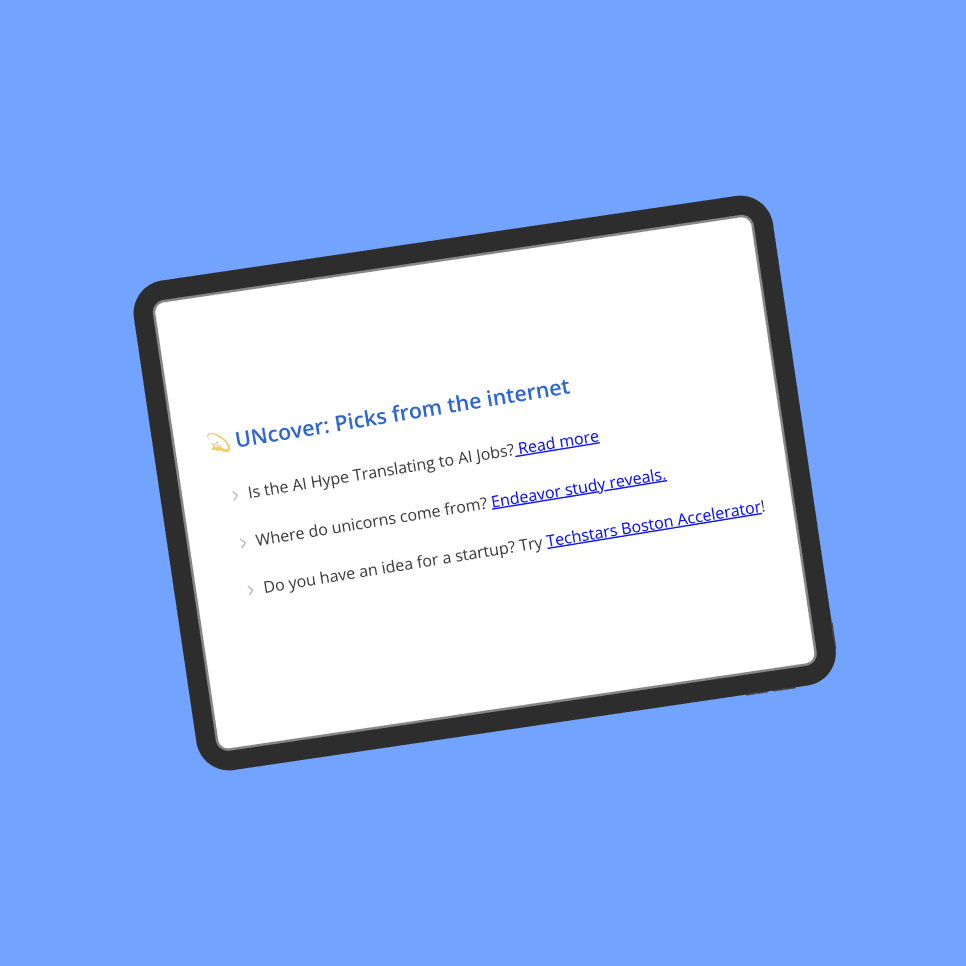
We made the newsletter the CTA on every social channel. Not one of several. The only one.
That sounds obvious written down. In practice it means giving up the other things you could be asking people to do, and it means the social posts have to be worth something on their own, because a post that only exists to sell a subscription doesn't get shared. So we posted the resources, the explainers, the pieces that were useful whether or not you subscribed, and let the newsletter be the natural next step rather than the toll gate.
Then we added a referral system with incentives for readers who brought other readers in. That was the part I had most confidence in, and it works particularly well here. Immigration is a thing people go through in groups: the same lab, the same company, the same visa cohort, the same WhatsApp thread. A reader who arrives because someone in their situation sent it to them is a different kind of subscriber to one who arrives from an ad. On a list where the open rate was a constraint, who arrives matters more than how many.
Testing, and the limits of testing
We A/B tested subject lines and formats, which is standard, and we asked readers directly what they wanted, which people skip more often than they admit. The direct feedback was usually faster than the tests. A test tells you which of two subject lines won. A reader tells you why they opened it.
Reading the results was harder than running them. Metrics contradicted each other often enough that we'd have two plausible stories about the same week. And engagement moves for reasons that have nothing to do with the newsletter. Holidays. Whatever else was happening in readers' lives that week. When your subject matter is news, no two weeks are comparable anyway, so a quiet week in immigration policy looks the same in the dashboard as a mistake on our end. I got a lot more careful about reading a dip as anything at all before checking the calendar.
Where it ended up
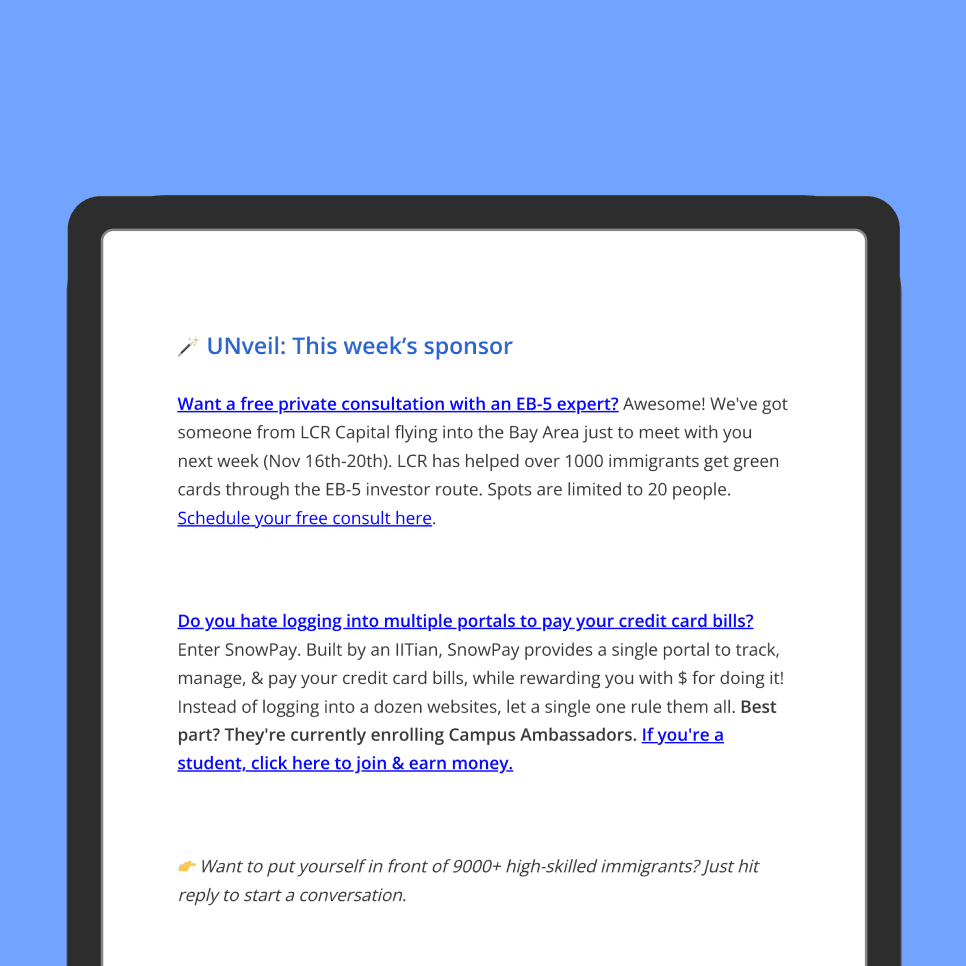
12,000 subscribers in six months, from 3,000. Clicks went from around 300 an email to around 1,800. The open rate stayed in the 70s.
That last one is the number I'd point at, and it isn't really a growth result. Holding 70 to 80 percent while adding 9,000 people means the writing was strong enough to survive the audience getting four times bigger. What we changed was who was in front of it.
Because the newsletter fed the paid community, the effect wasn't contained to email. Site traffic went up, leads went up, memberships went up.
What I'd take into the next one: the open-rate constraint was the most useful thing about the brief. It stopped us doing the easy version of growth. If the only goal had been the subscriber number, we'd have hit it faster and had a worse list at the end of it.

CONTACT